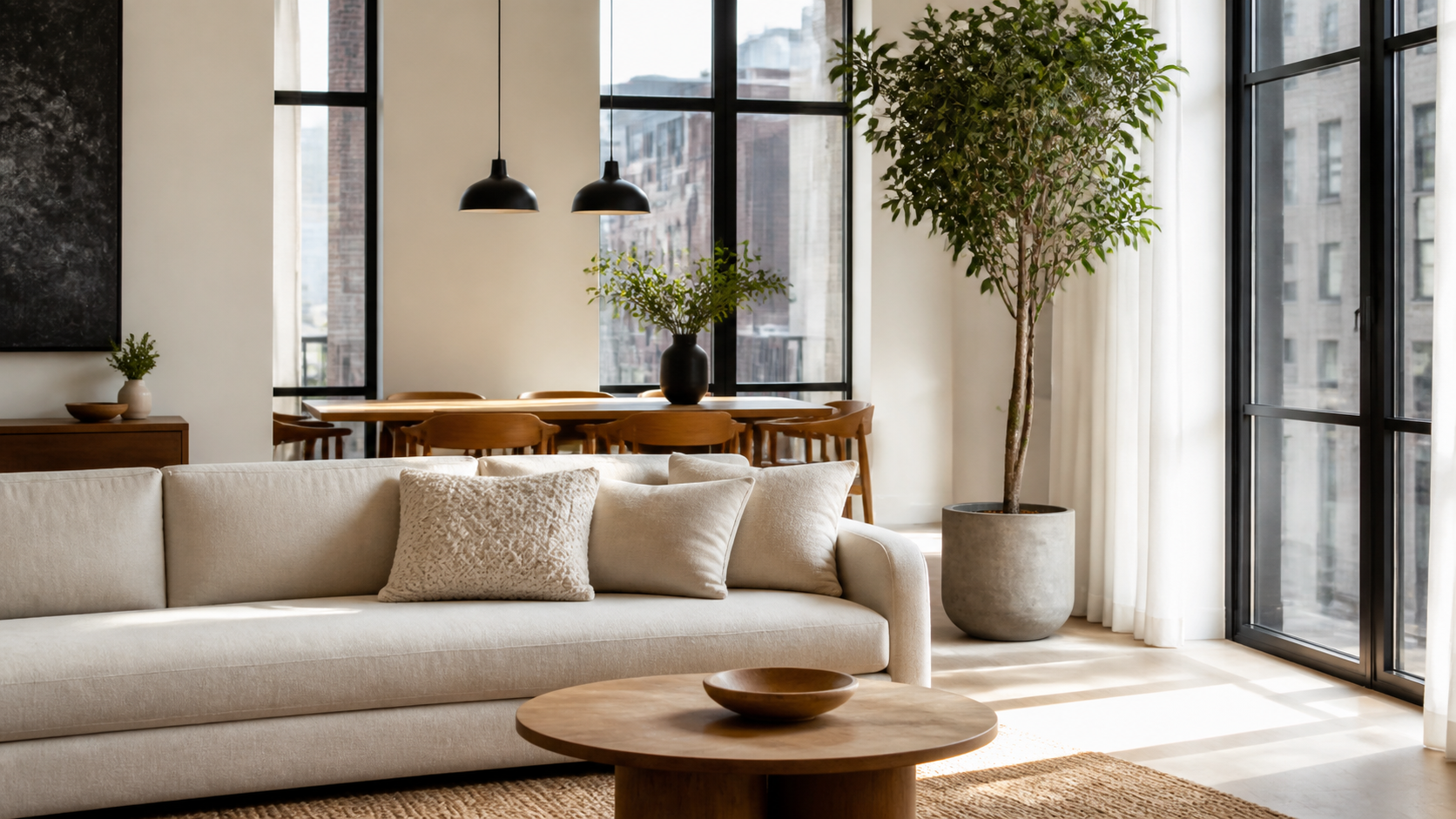
We’ve all had that moment: you clear off the coffee table, tuck away the throw blankets, hide the books, and suddenly the room looks… nice. But also a little strange. Too quiet. Too much like a furniture showroom where nobody actually lives.
For years, home organization advice pushed one big idea: less is always better. Empty counters. Bare shelves. Nothing out of place. Yet plenty of people are pushing back, and honestly, it makes sense. They don’t want a house that feels stripped down. They want one that feels warm, useful, personal, and full of life.
The truth is, people do want more “clutter” in their homes. Not piles of unpaid bills, mystery cords, and five bags of items headed to donation someday. We’re talking about intentional clutter: books you reread, framed family photos, plants, art supplies, handmade pottery, cozy blankets, and the everyday objects that make a space feel like yours.
Why Minimalism Doesn’t Work for Every Home
Minimalism can be calming. A clear kitchen counter can make morning coffee feel easier. An uncluttered bedroom can help your mind settle down at night. But extreme minimalism can also feel impractical, cold, or oddly stressful.
If you have children, hobbies, pets, roommates, or a busy schedule, your home needs to hold real life. That means backpacks by the door, dog toys in the living room, cookbooks in the kitchen, and extra blankets in the guest room.
Trying to hide every sign of living can create more work, not less.
Think about the person who stores all their kitchen tools in a hard-to-reach cabinet because they want spotless counters. Every time they cook, they have to pull out a step stool, dig through a crowded shelf, and put everything back right away. The kitchen may look tidy, but it doesn’t function well.
A home should support your routines. It should not make you work harder just to keep up appearances.
The Difference Between Cozy Clutter and Stressful Clutter
Not all clutter is the same. This is the part that gets missed in a lot of organizing advice.
Cozy clutter adds comfort, personality, or usefulness. Stressful clutter creates friction. It blocks surfaces, hides things you need, makes cleaning difficult, or leaves you feeling guilty every time you walk into the room.
Cozy Clutter Looks Like This
- A stack of favorite books on a side table.
- Several plants gathered near a sunny window.
- Open shelves with mugs, bowls, and everyday dishes you actually use.
- A basket of throw blankets beside the sofa.
- Kids’ artwork displayed in matching frames or on a rotating picture ledge.
- A tray on the coffee table holding candles, coasters, and a small vase.
- A collection of travel souvenirs that reminds you of good trips.
Stressful Clutter Usually Looks Like This
- Mail spread across the kitchen counter for weeks.
- Random items without a home, such as batteries, receipts, chargers, and spare keys.
- Closets packed so tightly that you cannot find seasonal clothes.
- Broken items you keep meaning to repair but never use.
- Overflowing bathroom drawers full of expired products.
- Decor piled on every available surface, leaving no room to set down a drink or fold laundry.
- Storage bins filled with forgotten items you do not want, need, or enjoy.
The goal is not to own as little as possible. The goal is to keep what serves your life and make it easy to live with.
People Want Homes That Feel Personal Again
Perfectly styled homes can be beautiful, but they can also feel interchangeable. A beige sofa, one neutral vase, a blank wall, and a single branch in a glass bottle may photograph well. Still, it may not say much about the people who live there.
That is why many homeowners and renters are adding more layers back into their spaces. They want rooms with stories.
A shelf of worn paperbacks says, “We read here.” A crowded fridge covered in school photos says, “This family has memories.” A craft corner with visible supplies says, “Someone makes things in this home.”
Those details matter. They help a home feel comforting instead of staged.
We are also spending more time at home than many of us used to. When your living room doubles as a movie room, office, playroom, reading spot, and gathering space, it needs more than a pretty couch. It needs useful items within reach.
Visible Things Can Make Daily Life Easier
There is a practical reason people keep more items out in the open: if we can see something, we are more likely to use it.
This is especially true for everyday tools and hobbies. Put the blender in the back of a cabinet, and you may forget it exists. Keep it on a tray in a kitchen corner, and smoothies might become part of your actual routine. Store your guitar in a case under the bed, and it may stay there. Place it on a wall hook, and you may play it after dinner.
Good organization is not always about hiding things. Sometimes it is about making the right things easy to grab.
Items Worth Keeping Visible
- Frequently used kitchen tools: wooden spoons, olive oil, salt, coffee supplies, or a toaster if you use it daily.
- Hobby supplies: knitting baskets, art materials, instruments, puzzle trays, or gardening tools.
- Family essentials: a small entryway drop zone for keys, school bags, and dog-walking supplies.
- Comfort items: blankets, books, candles, slippers, and games.
- Meaningful decor: framed photos, collected objects, handmade pieces, and favorite art.
The trick is simple: visible items need a clear boundary. A tray, basket, shelf, hook, drawer divider, or cabinet zone tells your eye, “This belongs here.”
How to Have a Lived-In Home Without Letting Clutter Take Over
You do not need to choose between a sterile house and a chaotic one. There is a comfortable middle ground, and it is easier to create than you might think.
Use Containers as Visual Boundaries
Baskets, trays, bowls, bins, and boxes are small tools with a big payoff. They let you keep useful items nearby without letting them spread across the whole room.
- Use a large basket for blankets instead of draping them over every chair.
- Place remotes, reading glasses, and chargers in a decorative tray on the coffee table.
- Keep mail in one wall-mounted sorter or lidded box near the entry.
- Use a bowl for keys and earbuds so they stop wandering around the house.
- Store kids’ small toys in low baskets they can reach and help put away.
When a container is full, that is your cue to edit. Not when the entire room is overflowing.
Create “Open Storage” That Looks Intentional
Open storage is one of the best ways to enjoy your belongings without creating visual noise. Floating shelves, bookcases, peg rails, wall hooks, and glass-front cabinets all make daily items easy to access.
Keep it from looking messy by grouping similar things together. Put books in one area, plants in another, and framed photos in a smaller cluster. Leave a little breathing room between groups. You do not need every shelf packed from edge to edge.
A good rule: display collections, contain supplies, and hide leftovers.
For example, display your favorite mugs on a shelf. Contain tea bags and coffee pods in a drawer organizer. Hide the mismatched plastic cups you rarely use in a lower cabinet.
Give Every High-Traffic Area a Landing Zone
Most household clutter builds up in the same spots: the front door, kitchen counter, dining table, bathroom vanity, and bedroom chair. We can solve a lot of mess by setting up each area for what really happens there.
- Entryway: Add hooks, a shoe tray, a small bench, and a basket for bags or pet gear.
- Kitchen: Use one tray for cooking oils and spices, plus a designated paper inbox for mail.
- Bathroom: Keep daily products in a caddy or shallow drawer bin instead of scattered across the counter.
- Bedroom: Place a hamper where clothes naturally land, not where you think they “should” land.
- Living room: Add a basket for blankets, a charging station, and a small bin for toys or games.
We have all stared at a cluttered closet wondering where to put that extra blanket, the gift bag collection, and the vacuum attachments. Usually, the issue is not that we own too much. It is that the space has no clear job.
Small-Space Tips for People Who Love Their Stuff
Living in a smaller home does not mean you have to erase your personality. You simply need storage that works harder.
Go Vertical
Walls are often underused. Add shelves above desks, hooks behind doors, a pegboard in the kitchen or craft area, or tall bookcases that use vertical space.
Even a narrow wall can hold a slim picture ledge for books, a rail for utensils, or hooks for bags and hats.
Choose Furniture With Hidden Storage
Look for pieces that earn their footprint. An ottoman can hold blankets. A storage bench can hide shoes. A bed with drawers can hold out-of-season clothes. A coffee table with shelves can keep books and board games close by.
This is especially helpful when you want a cozy, layered look but do not have much closet space.
Rotate Instead of Displaying Everything at Once
You can love a collection without putting every piece out at the same time. Rotate artwork, seasonal decor, books, and treasured objects every few months.
Your home will feel fresh, and the items you bring back out will get noticed again. It also prevents shelves from becoming crowded just because you cannot decide what to remove.
Use the One-In, One-Out Rule Carefully
The one-in, one-out rule is helpful for certain categories, especially clothing, mugs, beauty products, and kids’ toys. But do not force it on everything.
If you buy a new novel, you do not need to throw away an old favorite. If you add a new holiday ornament, though, it may be time to let go of the broken ones still sitting in the storage box.
Use rules that fit your life. Organization should feel supportive, not punishing.
Your Home Is Allowed to Look Like Someone Lives There
There is nothing wrong with wanting a clean, peaceful space. But clean does not have to mean empty. A home can have books on the table, a blanket on the couch, shoes by the door, and art on the walls while still feeling organized.
The best homes are not usually the ones with the fewest belongings. They are the ones where you can find what you need, put things away without a struggle, and look around and feel like yourself.
So keep the objects that bring comfort, make routines easier, or remind you of people and places you love. Just give them a home. That is the difference between clutter that comforts you and clutter that controls you.
FAQ: Intentional Clutter and Home Organization
Is it okay to have clutter if it makes my home feel cozy?
Yes. If the items are useful, meaningful, or genuinely enjoyable, and they are not making your home hard to clean or use, they can be part of a cozy, functional space. The key is keeping clutter contained and purposeful.
How do I know if my decor is too cluttered?
Ask yourself whether you have enough clear surfaces for daily life. Can you set down a drink, prepare food, pay a bill, or fold laundry without moving piles of things first? If not, reduce what is out or group items into trays and baskets.
Can open shelves work in a small home?