We’ve all seen it: a gorgeous kitchen with open shelves, a giant island, and perfectly styled baskets that somehow hold exactly three lemons and nothing else. Then you look at your own home—the mail pile on the counter, the extra blanket with nowhere to go, the laundry basket that has become permanent furniture—and wonder whether that trend would actually make life easier.
Here’s the honest answer: not every popular look works in a real, busy home. Some home trends photograph beautifully but create more cleaning, less storage, awkward layouts, or expensive regrets. Designers often see what happens after the photos are taken, when people are trying to cook dinner, find a towel, close a door, or squeeze past a too-large piece of furniture.
Let’s talk about five home trends designers say aren’t always worth the hype—and what you can choose instead if you want a home that looks good and works hard for your everyday life.
1. Open Kitchen Shelving That Replaces Every Upper Cabinet
Open shelving can be charming. A few wood shelves holding everyday mugs, pretty bowls, and a small plant? Lovely. But removing all of your upper kitchen cabinets is a different story.
Without cabinet doors, every plate, plastic cup, spice jar, and mismatched coffee mug is on display. That means you either need to keep your kitchen looking photo-ready all the time—or live with visual clutter staring back at you every morning.
There’s also dust, grease, and cooking residue. If your shelves are near the stove, those dishes may need washing before you use them. Not ideal when you’re already trying to get breakfast on the table.
Why This Trend Can Be Frustrating
- Open shelves offer less hidden storage for bulky or unattractive items.
- Dishes and glassware need frequent dusting and cleaning.
- Everyday clutter becomes part of the kitchen decor.
- It can make a small kitchen feel busy instead of calm.
A Better Kitchen Storage Idea
Keep most of your closed upper cabinets, then add one or two open shelves in a spot that makes sense. Use them for items you reach for often, such as drinking glasses, breakfast bowls, or cookbooks. This gives you the airy look without giving up the practical storage your kitchen needs.
Inside closed cabinets, use shelf risers, pull-out bins, and clear labels. You’ll gain much more usable space than you would from a wall of carefully styled dishes.
2. Oversized Kitchen Islands That Take Over the Room
A large kitchen island is often treated like the ultimate dream feature. And yes, an island can add prep space, seating, and storage. But bigger is not automatically better.
We’ve all tried to walk through a kitchen while someone has the dishwasher open, another person is standing at the counter, and a chair is pulled out behind the island. Suddenly, that “luxury” island feels like an obstacle course.
Designers often warn against forcing an oversized island into a kitchen that simply doesn’t have enough room around it. A crowded layout can make cooking, unloading groceries, and cleaning up much harder.
Why a Huge Island May Not Be Worth It
- It can block traffic flow between the sink, stove, refrigerator, and pantry.
- Deep countertops often become clutter catchers.
- Large islands can make a modest kitchen feel cramped.
- Extra seating may go unused while taking up valuable clearance space.
A Better Small-Space Kitchen Solution
Choose an island that fits the room, not one that follows a showroom trend. A narrower island with drawers, a rolling cart, or a small peninsula can provide storage without swallowing the whole kitchen.
For better organization, prioritize drawers over deep cabinets whenever possible. Drawers make it easier to see pots, food containers, baking sheets, and small appliances. Add dividers for utensils and cooking tools, and use the island for the items you truly need close by.
3. Barn Doors for Every Room
Barn doors had a huge moment, especially in farmhouse-style homes. They can look warm and interesting in the right spot. But they are not a perfect replacement for regular doors.
Unlike a traditional hinged door, a barn door slides along the wall. That means you need a clear stretch of wall beside the doorway. No artwork, no shelving, no light switches in the wrong spot, no tall furniture. In a smaller home, that can be a lot to give up.
They also don’t seal tightly. You may hear more noise, smell more from bathrooms or laundry rooms, and get less privacy in bedrooms and home offices.
Where Barn Doors Often Fall Short
- They do not block sound as well as standard doors.
- They offer limited privacy for bathrooms, bedrooms, and workspaces.
- They require empty wall space to slide open.
- The hardware can be noisy or difficult to maintain over time.
A Better Door Choice for Tight Spaces
If you need to save floor space, consider a pocket door. It slides into the wall, so it doesn’t take up swinging room or usable wall space. A well-installed pocket door can be especially helpful for powder rooms, laundry areas, closets, and small home offices.
Another smart option is a standard door with hooks or an over-the-door organizer. That regular door can hold robes, cleaning tools, bags, or a slim rack for pantry supplies. Sometimes the least trendy choice gives you the most storage.
4. All-White, High-Maintenance Upholstery
There is no denying that a creamy white sofa looks fresh and peaceful in a design photo. But if you have kids, pets, guests, snacks, coffee, or simply a normal human life, all-white upholstery can become a source of constant stress.
One spilled smoothie. One muddy paw. One pair of jeans that transfers dye. Suddenly, you’re blotting cushions instead of relaxing in your own living room.
This trend isn’t bad because white furniture is inherently wrong. It’s just not always practical. Designers often encourage homeowners to think about how they really use a room before choosing delicate fabrics or pale finishes.
Why This Look Can Feel Like Too Much Work
- Spills and marks show quickly.
- Frequent deep cleaning can wear down certain fabrics.
- You may feel nervous letting people actually use the room.
- Light fabrics can make a home feel less relaxed for families with pets or children.
A More Livable Living Room Idea
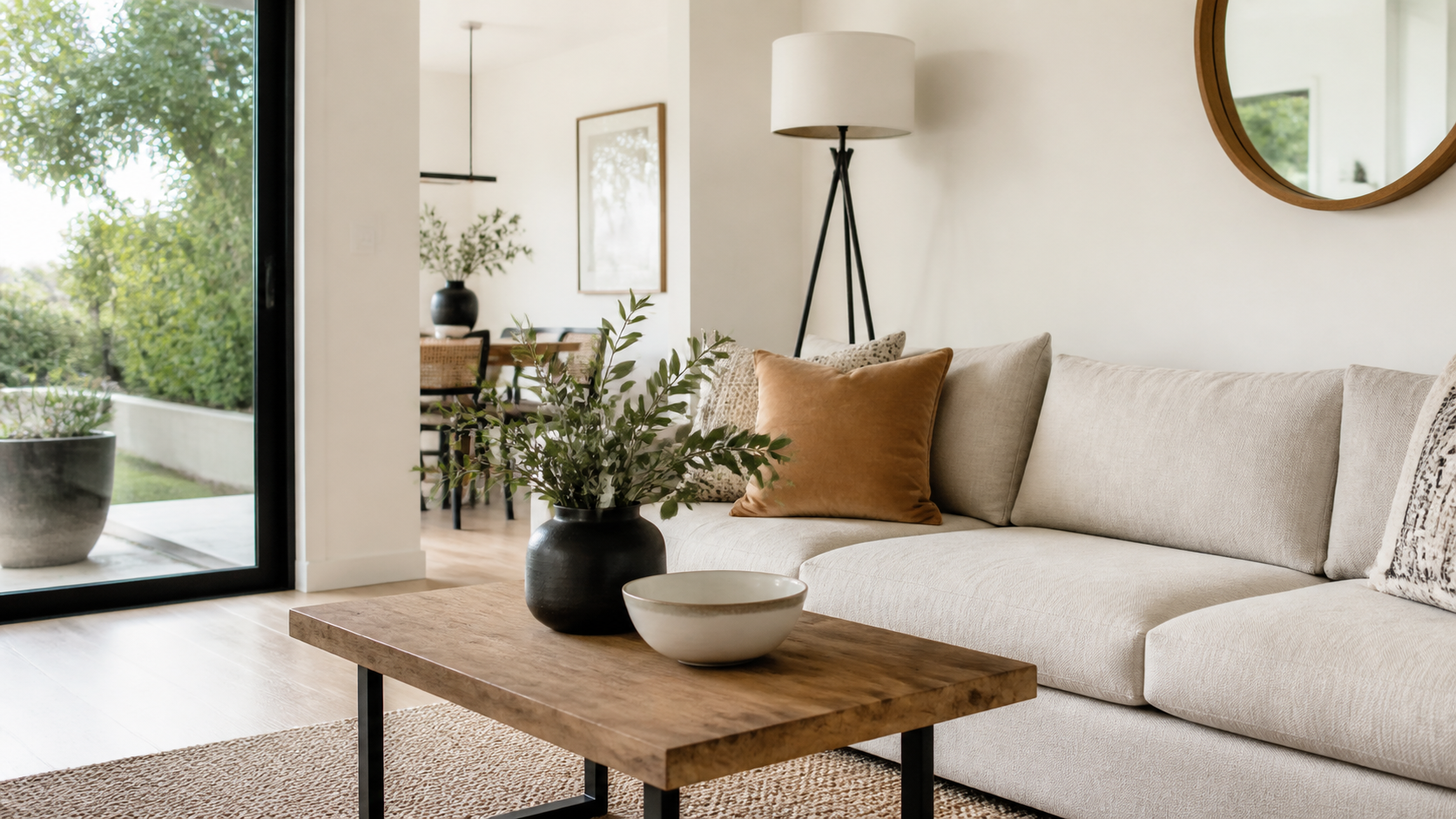
Choose a durable performance fabric in a warm neutral, soft gray, muted blue, olive, or medium beige. These shades still feel calm, but they hide everyday wear far better than bright white.
If you love the light, airy look, bring it in with washable throw pillow covers, blankets, curtains, and a lighter rug with a subtle pattern. These are easier and less expensive to replace than an entire sofa.
For organization, choose a coffee table with drawers or a storage ottoman. It’s the perfect place for remotes, charging cords, kids’ books, extra throws, and those little items that otherwise spread across every surface.
5. Floating Vanities With Barely Any Bathroom Storage
Floating vanities can make a bathroom feel open and modern. They also make cleaning the floor easier, which is a real plus. The problem starts when the vanity is too shallow, too small, or built with little more than one tiny drawer.
Bathrooms need storage. Toothpaste, skin care, towels, hair tools, toilet paper, medication, cleaning supplies—the list gets long fast. When the vanity can’t hold these basics, they end up on the counter, under the sink in a messy pile, or stuffed into a hallway closet.
A sleek bathroom loses its appeal quickly when every item is visible.
Why Minimal Bathroom Vanities Can Create Clutter
- They may not hold everyday personal-care products.
- Open space beneath the vanity can become wasted space.
- Small drawers make it hard to organize hair tools and taller bottles.
- Limited storage often leads to crowded countertops.
A Better Bathroom Organization Plan
If you want a floating vanity, choose one with deep drawers and smart interior dividers. Look for a design that includes plumbing cutout storage, so the area around the pipes is still useful.
Add a recessed medicine cabinet instead of a basic mirror if possible. That hidden cabinet can hold daily essentials without eating into the room. Use stackable bins under the sink, clear containers for backup products, and a slim rolling cart if you need a little extra storage.
And don’t forget vertical space. A narrow cabinet above the toilet or a few well-placed shelves can hold towels and toilet paper without crowding the vanity.
How to Choose Home Trends You Won’t Regret
Before you commit to a popular home trend, pause and ask a few practical questions. A beautiful room should support your routines, not create extra chores.
- Where will everyday items go? Think beyond the styled version of the room.
- How much cleaning will this require? Be honest about your schedule.
- Will this work for our household? Pets, kids, roommates, and guests all matter.
- Does it improve the layout? Good traffic flow is worth far more than a trendy feature.
- Can we live with it for several years? Choose the expensive, permanent pieces carefully.
The best homes are not the ones that look untouched. They are the ones where you can find the scissors, sit comfortably on the sofa, cook without bumping into someone, and put things away without a major puzzle.
FAQ: Home Trends Designers Say to Skip
Are open shelves always a bad idea in a kitchen?
Not at all. A small amount of open shelving can be useful and attractive. The trouble usually starts when open shelves replace all upper cabinets. Keep closed storage for less attractive, bulky, or rarely used items, and use open shelves for a few everyday favorites.
What home trend adds storage without making a room look cluttered?
Built-in storage, deep drawers, storage benches, wall-mounted cabinets, and furniture with hidden compartments are all smart choices. The key is giving everyday items a designated home behind closed doors, drawers, or baskets.
Should I avoid trends completely when decorating my home?
No. Trends can be fun, and they can help you discover ideas you genuinely love. Just use them in easy-to-change places, such as pillows, paint, lighting, artwork, or removable wallpaper. For expensive renovations and large furniture, choose what fits your lifestyle first.
At the end of the day, your home does not need to look like a showroom. It needs to work for your mornings, your messes, your movie nights, and all the ordinary moments in between. Pick the ideas that make daily life simpler, and you’ll enjoy your space long after the hype fades.